Ball Corp 2018 SR
The report details Ball Corporation's sustainability progress for the 2016-2017 period, focusing on circular economy, climate change, water stewardship, and responsible sourcing. A major highlight is the commitment to a science-based target to reduce absolute Scope 1 and 2 greenhouse gas emissions by 27 percent by 2030. The company introduced the STARcan, its most metal-efficient beverage can, and achieved zero waste to landfill at 39 manufacturing plants. Ball also emphasized its collaboration with the Aluminum Stewardship Initiative (ASI) and its extensive support for global disaster relief efforts through partnerships with the Red Cross.
Company: Ball Corp
Sector: Materials
Country: United States
Year: 2018
Type: SR
Pages: 40
Ball Corp
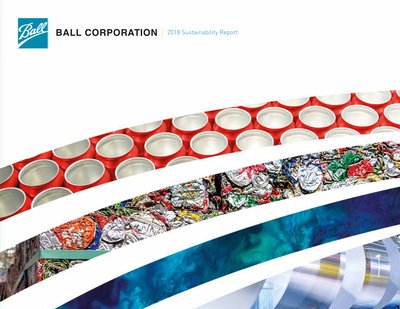
Sustainability Report
The report details Ball Corporation's sustainability progress for the 2016-2017 period, focusing on circular economy, climate change, water stewardship, and responsible sourcing. A major highlight is the commitment to a science-based target to reduce absolute Scope 1 and 2 greenhouse gas emissions by 27 percent by 2030. The company introduced the STARcan, its most metal-efficient beverage can, and achieved zero waste to landfill at 39 manufacturing plants. Ball also emphasized its collaboration with the Aluminum Stewardship Initiative (ASI) and its extensive support for global disaster relief efforts through partnerships with the Red Cross.
Sign in for free to access detailed sustainability data, reporting standards, and ESG metrics.
Document Details
Report Year
2018
Reporting Period
Jan 1, 2016 - Dec 31, 2017
Fiscal Year
2017
Published
Jan 1, 2018
Type
Sustainability Report
Language
English
Pages
File Size
Standards & Assurance
Reporting Standards
Materiality Assessment
Assurance
Assurance Provider
Sustainable Development Goals
Other Standards
ESG Data?Experimental — AI-extracted data, may contain inaccuracies
Emissions
Scope 1:
Scope 2:
Scope 3:
Energy Consumption
Water Consumption
Total Waste
Workplace Fatalities
Employees