Toyota Industries Corp 2013 SR
The report is Toyota Material Handling Europe's first sustainability report, titled "Dual Impact," covering the fiscal year ending March 31, 2013. It outlines the company's strategy to align priorities with partners, focusing on minimizing environmental impacts, optimizing business processes, and maximizing safety. Key highlights include the launch of the Traigo 80 electric forklift, which is 20% more energy efficient, and the implementation of the Toyota Production System (TPS) to eliminate waste. The company achieved an EcoVadis score of 68%, placing it in the top 11% of assessed companies. The report also details efforts to reduce operational CO2 emissions and improve workplace safety through the System of Active Stability (SAS).
Company: Toyota Industries Corp
Sector: Industrials
Country: Japan
Year: 2013
Type: SR
Pages: 26
Toyota Industries Corp
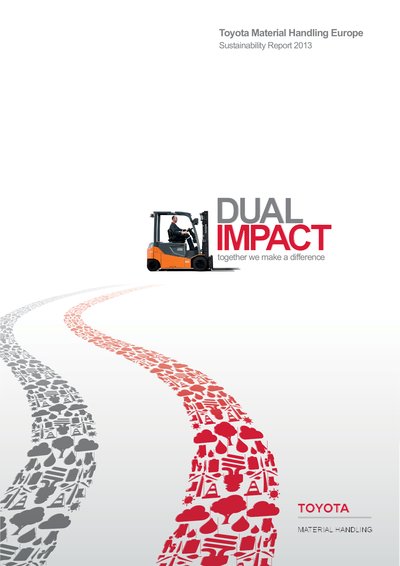
Sustainability Report
The report is Toyota Material Handling Europe's first sustainability report, titled "Dual Impact," covering the fiscal year ending March 31, 2013. It outlines the company's strategy to align priorities with partners, focusing on minimizing environmental impacts, optimizing business processes, and maximizing safety. Key highlights include the launch of the Traigo 80 electric forklift, which is 20% more energy efficient, and the implementation of the Toyota Production System (TPS) to eliminate waste. The company achieved an EcoVadis score of 68%, placing it in the top 11% of assessed companies. The report also details efforts to reduce operational CO2 emissions and improve workplace safety through the System of Active Stability (SAS).
Sign in for free to access detailed sustainability data, reporting standards, and ESG metrics.
Document Details
Report Year
2013
Reporting Period
Apr 1, 2012 - Mar 31, 2013
Fiscal Year
2013
Published
Sep 1, 2013
Type
Sustainability Report
Language
English
Pages
File Size
Standards & Assurance
Reporting Standards
Materiality Assessment
Other Standards
ESG Data?Experimental — AI-extracted data, may contain inaccuracies
Emissions
Scope 1:
Scope 2:
Energy Consumption
Water Consumption
Employees