Nankai Electric Railway Co Ltd 2016 Sustainability Report
The report describes fiscal 2015 group performance, including consolidated operating revenue of 219,065 millions of yen and consolidated employment of 8,853 people. It also reports that CO2 emissions across 45 group companies fell to 311,492 t-CO2 in fiscal 2015, a reduction of 1,508 tons from the prior year. Environmental management included renewed ISO 14001 certifications at headquarters and the Chiyoda Works.
Company: Nankai Electric Railway Co Ltd
Sector: Transport & logistics
Country: Japan
Year: 2016
Type: Sustainability Report
Pages: 10
Back to company
Nankai Electric Railway Co Ltd
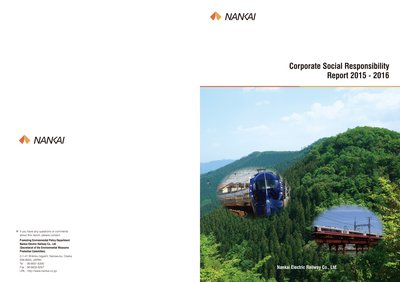
Corporate Social Responsibility Report
The report describes fiscal 2015 group performance, including consolidated operating revenue of 219,065 millions of yen and consolidated employment of 8,853 people. It also reports that CO2 emissions across 45 group companies fell to 311,492 t-CO2 in fiscal 2015, a reduction of 1,508 tons from the prior year. Environmental management included renewed ISO 14001 certifications at headquarters and the Chiyoda Works.
Sign in for free to access detailed sustainability data, reporting standards, and ESG metrics.
Document Details
Report Year
2016
Reporting Period
Apr 1, 2015 - Mar 31, 2016
Fiscal Year
2015
Published
Jun 1, 2016
Type
Sustainability Report
Language
English
Pages
File Size
Standards & Assurance
Materiality Assessment
Other Standards
ESG Data?Experimental: AI-extracted data, may contain inaccuracies
Energy Consumption
Water Consumption
Total Waste
Employees