Sipef NV 2025 IR
The report highlights SIPEF's outstanding financial performance in 2025, delivering a record net profit of USD 125.4 million, a 90.5% increase compared to the previous year. Total crude palm oil production reached 441,866 tonnes, driven by favorable growing conditions and maturing plantations in South Sumatra. The company approved a comprehensive greenhouse gas transition plan aligned with the Science Based Targets initiative, aiming for a 42% reduction in absolute Scope 1 and 2 emissions by 2030. Additionally, SIPEF commissioned its first bio-compressed natural gas facility at the Perlabian mill, reducing CO2 emissions by over 54,000 tonnes annually, and achieved Halal certification for all Indonesian palm oil mills.
Company: Sipef NV
Sector: Agriculture, forestry & fishing
Country: Belgium
Year: 2025
Type: IR
Pages: 354
Back to company
Sipef NV
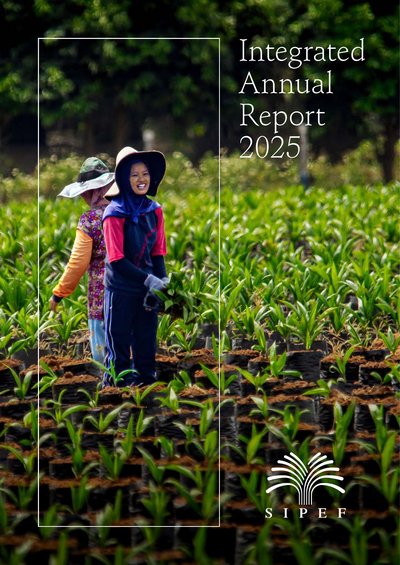
Integrated Annual Report
The report highlights SIPEF's outstanding financial performance in 2025, delivering a record net profit of USD 125.4 million, a 90.5% increase compared to the previous year. Total crude palm oil production reached 441,866 tonnes, driven by favorable growing conditions and maturing plantations in South Sumatra. The company approved a comprehensive greenhouse gas transition plan aligned with the Science Based Targets initiative, aiming for a 42% reduction in absolute Scope 1 and 2 emissions by 2030. Additionally, SIPEF commissioned its first bio-compressed natural gas facility at the Perlabian mill, reducing CO2 emissions by over 54,000 tonnes annually, and achieved Halal certification for all Indonesian palm oil mills.
Sign in for free to access detailed sustainability data, reporting standards, and ESG metrics.
Document Details
Report Year
2025
Reporting Period
Jan 1, 2025 - Dec 31, 2025
Fiscal Year
2025
Type
Integrated Report
Language
English
Pages
File Size
Standards & Assurance
Reporting Standards
Materiality Assessment
Assurance
Assurance Provider
Assurance Standard
ESG Data?Experimental: AI-extracted data, may contain inaccuracies
Emissions
Scope 1:
Scope 2:
Scope 3:
Energy Consumption
Renewable Energy
Water Consumption
Women on Board
Women in Management
Workplace Fatalities
Employees