Wipro Ltd 2015 SR
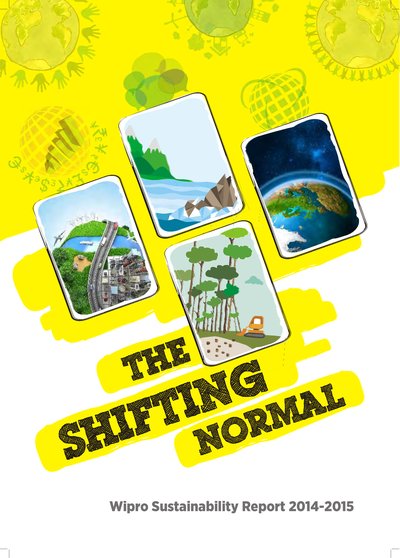
The report highlights Wipro's sustainability journey for the fiscal year 2014-15, themed 'The Shifting Normal.' Key achievements include a 22% renewable energy footprint in India operations and a reduction in greenhouse gas emissions intensity. The company saved 132 million liters of freshwater and recycled 90% of its total waste in India. Social initiatives expanded significantly, with Wipro Cares reaching 75,000 people through primary healthcare and the Wipro-earthian program engaging over 3,000 schools. The report also details Wipro's first natural capital valuation exercise to quantify environmental impacts across its value chain.
Company: Wipro Ltd
Sector: Technology & telecommunications
Country: India
Year: 2015
Type: SR
Pages: 220
Back to company
Wipro Ltd
Sustainability Report
The report highlights Wipro's sustainability journey for the fiscal year 2014-15, themed 'The Shifting Normal.' Key achievements include a 22% renewable energy footprint in India operations and a reduction in greenhouse gas emissions intensity. The company saved 132 million liters of freshwater and recycled 90% of its total waste in India. Social initiatives expanded significantly, with Wipro Cares reaching 75,000 people through primary healthcare and the Wipro-earthian program engaging over 3,000 schools. The report also details Wipro's first natural capital valuation exercise to quantify environmental impacts across its value chain.
Sign in for free to access detailed sustainability data, reporting standards, and ESG metrics.
Document Details
Report Year
2015
Reporting Period
Apr 1, 2014 - Mar 31, 2015
Fiscal Year
2015
Published
Feb 12, 2016
Type
Sustainability Report
Language
English
Pages
File Size
Standards & Assurance
Reporting Standards
Materiality Assessment
Assurance
Assurance Provider
Assurance Standard
Sustainable Development Goals
Other Standards
ESG Data?Experimental: AI-extracted data, may contain inaccuracies
Emissions
Scope 1:
Scope 2:
Scope 3:
Energy Consumption
Renewable Energy
Water Consumption
Total Waste
Employees