Banpu PCL 2016 SR
The report highlights Banpu's 2016 sustainability performance, focusing on its transition toward a greener energy portfolio with a target of 20% renewable energy by 2025. The company achieved a 6.53% reduction in greenhouse gas emissions intensity in its coal business compared to a 2012 baseline. Key initiatives included the expansion of solar power projects in Japan and China and the implementation of a new Carbon Policy with specific reduction targets for 2016-2020. Despite these advancements, the company reported one contractor fatality in Indonesia and is strengthening safety protocols through its 'Three Zero' principles. Banpu maintained its membership in the Dow Jones Sustainability Indices for the third consecutive year.
Company: Banpu PCL
Sector: Mining & quarrying
Country: Thailand
Year: 2016
Type: SR
Pages: 183
Back to company
Banpu PCL
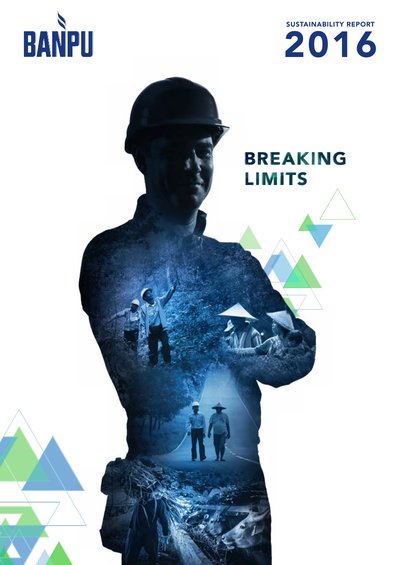
Sustainability Report
The report highlights Banpu's 2016 sustainability performance, focusing on its transition toward a greener energy portfolio with a target of 20% renewable energy by 2025. The company achieved a 6.53% reduction in greenhouse gas emissions intensity in its coal business compared to a 2012 baseline. Key initiatives included the expansion of solar power projects in Japan and China and the implementation of a new Carbon Policy with specific reduction targets for 2016-2020. Despite these advancements, the company reported one contractor fatality in Indonesia and is strengthening safety protocols through its 'Three Zero' principles. Banpu maintained its membership in the Dow Jones Sustainability Indices for the third consecutive year.
Sign in for free to access detailed sustainability data, reporting standards, and ESG metrics.
Document Details
Report Year
2016
Reporting Period
Jan 1, 2016 - Dec 31, 2016
Fiscal Year
2016
Type
Sustainability Report
Language
English
Pages
File Size
Standards & Assurance
Reporting Standards
Materiality Assessment
Sustainable Development Goals
Other Standards
ESG Data?Experimental: AI-extracted data, may contain inaccuracies
Emissions
Scope 1:
Scope 2:
Energy Consumption
Water Consumption
Total Waste
Women on Board
Workplace Fatalities
Employees