DSV A/S 2019 SR
The report details DSV Panalpina's sustainability performance for 2019, a year marked by the acquisition of Panalpina. Key highlights include a commitment to the Science Based Targets initiative (SBTi) and the implementation of the EcoTransIT World system for improved CO2 reporting. The company updated its Code of Conduct to address modern slavery and money laundering while launching new whistle-blower channels. Environmental efforts focused on supply chain optimization, resulting in energy efficiency improvements across sea, air, and road transport. Additionally, the company continued its partnership with the Red Cross for disaster relief and initiated the H2RES project for renewable hydrogen in heavy-duty transport.
Company: DSV A/S
Sector: Transport & logistics
Country: Denmark
Year: 2019
Type: SR
Pages: 34
Back to company
DSV A/S
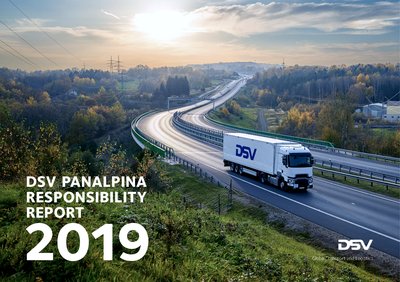
Responsibility Report
The report details DSV Panalpina's sustainability performance for 2019, a year marked by the acquisition of Panalpina. Key highlights include a commitment to the Science Based Targets initiative (SBTi) and the implementation of the EcoTransIT World system for improved CO2 reporting. The company updated its Code of Conduct to address modern slavery and money laundering while launching new whistle-blower channels. Environmental efforts focused on supply chain optimization, resulting in energy efficiency improvements across sea, air, and road transport. Additionally, the company continued its partnership with the Red Cross for disaster relief and initiated the H2RES project for renewable hydrogen in heavy-duty transport.
Sign in for free to access detailed sustainability data, reporting standards, and ESG metrics.
Document Details
Report Year
2019
Reporting Period
Jan 1, 2019 - Dec 31, 2019
Fiscal Year
2019
Published
Feb 7, 2020
Type
Sustainability Report
Language
English
Pages
File Size
Standards & Assurance
Reporting Standards
Materiality Assessment
Sustainable Development Goals
Other Standards
ESG Data?Experimental: AI-extracted data, may contain inaccuracies
Emissions
Scope 3:
Water Consumption
Women in Management
Workplace Fatalities
Employees