Nampak Ltd 2016 IR
The report highlights Nampak's operational and financial performance for the fiscal year 2016, emphasizing its progress in restructuring the balance sheet and improving operational efficiencies. Despite challenging macroeconomic conditions in key markets like Angola and Nigeria, the company successfully completed its Bevcan South Africa recapitalization and turned its Glass operation back to profitability. Nampak achieved a lost-time injury frequency rate (LTIFR) of 0.48, beating its target of 0.50, and reduced its carbon emissions intensity by 9% per million rand of revenue. Additionally, the group concluded a major property sale and leaseback transaction, raising R1.7 billion to reduce interest-bearing debt and post-retirement medical aid liabilities.
Company: Nampak Ltd
Sector: Manufacturing
Country: South Africa
Year: 2016
Type: IR
Pages: 104
Back to company
Nampak Ltd
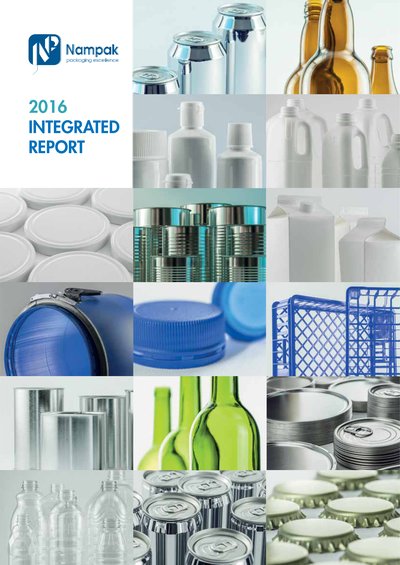
Integrated Report
The report highlights Nampak's operational and financial performance for the fiscal year 2016, emphasizing its progress in restructuring the balance sheet and improving operational efficiencies. Despite challenging macroeconomic conditions in key markets like Angola and Nigeria, the company successfully completed its Bevcan South Africa recapitalization and turned its Glass operation back to profitability. Nampak achieved a lost-time injury frequency rate (LTIFR) of 0.48, beating its target of 0.50, and reduced its carbon emissions intensity by 9% per million rand of revenue. Additionally, the group concluded a major property sale and leaseback transaction, raising R1.7 billion to reduce interest-bearing debt and post-retirement medical aid liabilities.
Sign in for free to access detailed sustainability data, reporting standards, and ESG metrics.
Document Details
Report Year
2016
Reporting Period
Oct 1, 2015 - Sep 30, 2016
Fiscal Year
2016
Type
Integrated Report
Language
English
Pages
File Size
Standards & Assurance
Reporting Standards
Materiality Assessment
Assurance
Assurance Provider
Assurance Standard
ESG Data?Experimental: AI-extracted data, may contain inaccuracies
Energy Consumption
Water Consumption
Workplace Fatalities
Employees