PTT PCL 2014 SR
The report details PTT Group's sustainability performance for 2014, highlighting its third consecutive year of membership in the Dow Jones Sustainability World Index. Key developments include the establishment of the Infrastructure Business Group to improve transparency and the launch of the Vidyasirimedhi Institute and Kamnoetvidya Science Academy to foster national innovation. The company reported a reduction in greenhouse gas intensity and hazardous waste to landfill, while committing to zero methane emissions by 2020. PTT also expanded its reforestation efforts, reaching over 1.17 million Rai, and continued its focus on energy security and operational excellence across its hydrocarbon value chain.
Company: PTT PCL
Sector: Mining & quarrying
Country: Thailand
Year: 2014
Type: SR
Pages: 77
Back to company
PTT PCL
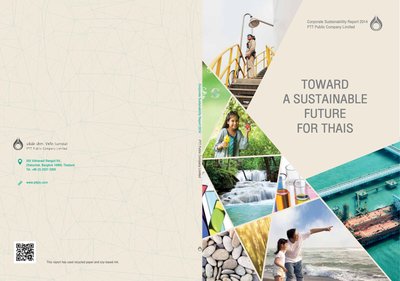
Corporate Sustainability Report
The report details PTT Group's sustainability performance for 2014, highlighting its third consecutive year of membership in the Dow Jones Sustainability World Index. Key developments include the establishment of the Infrastructure Business Group to improve transparency and the launch of the Vidyasirimedhi Institute and Kamnoetvidya Science Academy to foster national innovation. The company reported a reduction in greenhouse gas intensity and hazardous waste to landfill, while committing to zero methane emissions by 2020. PTT also expanded its reforestation efforts, reaching over 1.17 million Rai, and continued its focus on energy security and operational excellence across its hydrocarbon value chain.
Sign in for free to access detailed sustainability data, reporting standards, and ESG metrics.
Document Details
Report Year
2014
Reporting Period
Jan 1, 2014 - Dec 31, 2014
Fiscal Year
2014
Published
Mar 5, 2015
Type
Sustainability Report
Language
English
Pages
File Size
Standards & Assurance
Reporting Standards
Materiality Assessment
Assurance
Assurance Provider
Assurance Standard
Other Standards
ESG Data?Experimental: AI-extracted data, may contain inaccuracies
Emissions
Scope 1:
Scope 2:
Energy Consumption
Water Consumption
Total Waste
Women in Management
Workplace Fatalities
Employees