Sao Martinho SA 2022 SR
The report for the 2021/2022 crop year highlights São Martinho's resilience amidst extreme weather events and the COVID-19 pandemic, achieving a record Adjusted EBITDA of R$ 3.14 billion. Key developments include the construction of a new corn ethanol plant at the Boa Vista site and a thermal power plant at the São Martinho site, funded by a R$ 2.1 billion green loan. The company achieved a 26.7% reduction in Scope 1 emissions and maintained a Gold reporting status in the Brazilian GHG Protocol Program. Sustainability efforts were further institutionalized with a new ESG governance structure and the co-founding of Cubo Agro to drive innovation in agribusiness.
Company: Sao Martinho SA
Sector: Manufacturing
Country: Brazil
Year: 2022
Type: SR
Pages: 100
Back to company
Sao Martinho SA
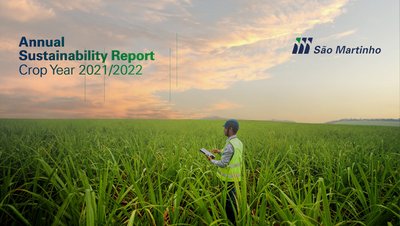
Sustainability Report
The report for the 2021/2022 crop year highlights São Martinho's resilience amidst extreme weather events and the COVID-19 pandemic, achieving a record Adjusted EBITDA of R$ 3.14 billion. Key developments include the construction of a new corn ethanol plant at the Boa Vista site and a thermal power plant at the São Martinho site, funded by a R$ 2.1 billion green loan. The company achieved a 26.7% reduction in Scope 1 emissions and maintained a Gold reporting status in the Brazilian GHG Protocol Program. Sustainability efforts were further institutionalized with a new ESG governance structure and the co-founding of Cubo Agro to drive innovation in agribusiness.
Sign in for free to access detailed sustainability data, reporting standards, and ESG metrics.
Document Details
Report Year
2022
Reporting Period
Apr 1, 2021 - Mar 31, 2022
Fiscal Year
2022
Published
Dec 20, 2022
Type
Sustainability Report
Language
English
Pages
File Size
Standards & Assurance
Reporting Standards
Materiality Assessment
Assurance
Assurance Provider
Assurance Standard
Sustainable Development Goals
Other Standards
ESG Data?Experimental: AI-extracted data, may contain inaccuracies
Emissions
Scope 1:
Scope 2:
Scope 3:
Energy Consumption
Renewable Energy
Water Consumption
Total Waste
Women on Board
Women in Management
Workplace Fatalities
Employees